Developing habits that better your lifestyle and lower your levels of stress can create more balance in your life. Here are a few best practices you may want to implement:
Practice Mindfulness
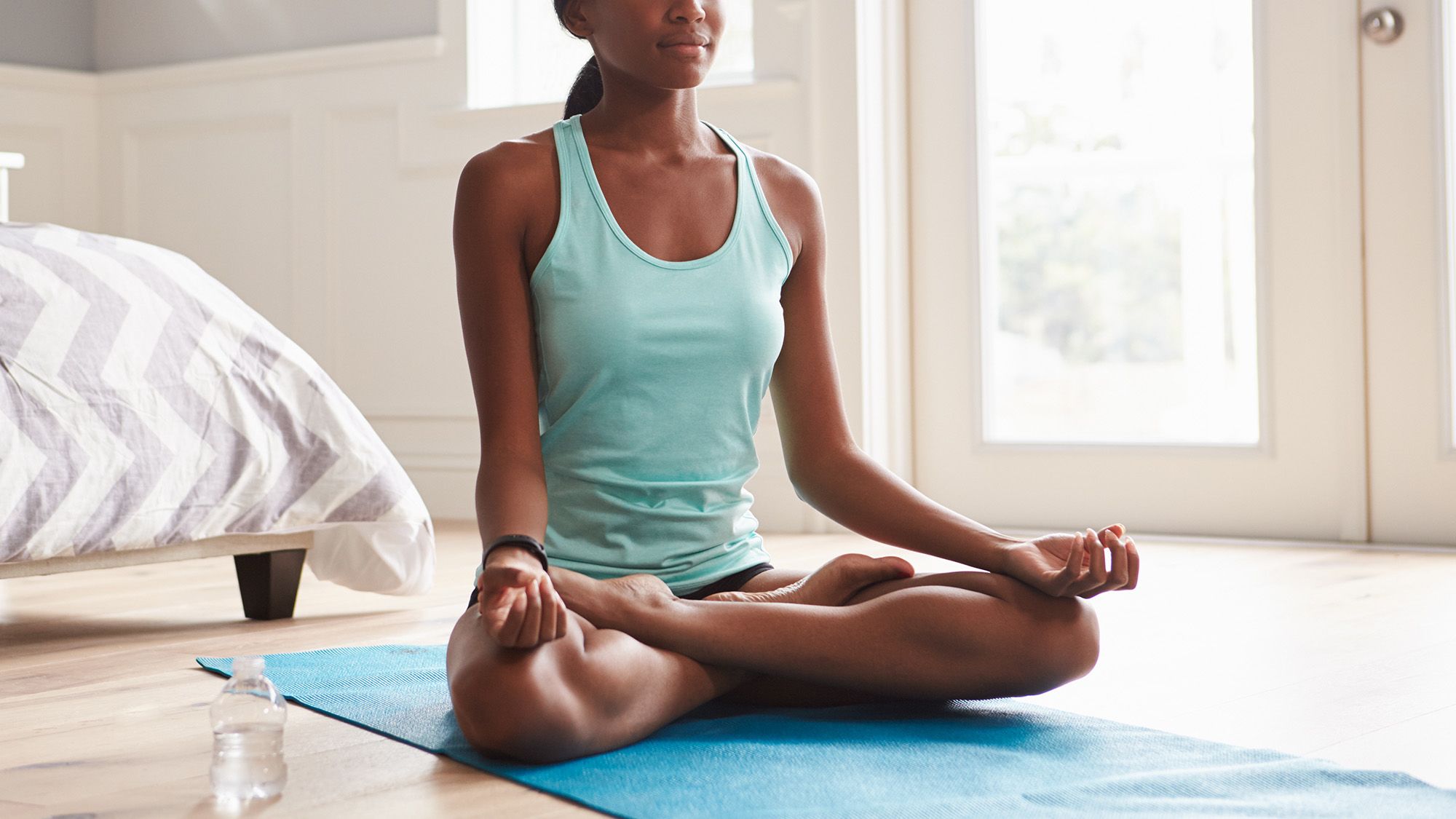
Meditation: 5-10 minutes in the morning. This practice helps ground your mind, decreases anxiety and allows greater focus.
The Most Accessible: Mindful Breathing Do you have a few spare minutes?
Prioritize Physical Activity
Regular Physical Activity: Aim for a minimum of 30 minutes of exercise a day, which can be walking, biking or yoga. Endorphins are released through exercise, increasing mood while lowering stress.
This may include stretching to facilitate flexibility, melt away tension and unwind.
Maintain a Balanced Diet
Whole Foods: Eating whole, nutrient-dense foods such as fruits, vegetables, lean proteins and whole grains can provide energy that lasts longer while also having a positive effect on your mood.
Keep approaching water throughout the day to help your body work appropriately and keep energy levels.
Get Quality Sleep
Regular Sleep Routine: Get 7–9 hours of sleep every night and keep a consistent sleep routine to stabilize your body’s internal clock.
Sleep Hygiene: Keep screen time before bed to a minimum, keep the bedroom cool and read or do other calming activities.
Cultivate Gratitude
Gratitude Journaling: Go through a few minutes every day and list things you’re thankful for. It encourages positivity and resilience.
Be Thankful: Show appreciation to others regularly, cementing relationships and decreasing your stress.
Foster Social Connections
Play: Play with children, friends or pets to feel less stressed.
Community Engagement: Get involved in community activities or volunteer work that may help to increase happiness and reduce feelings of isolation.
Manage Time Wisely
Qualify Your Day: Establish a clear intention for each day and prioritize activities to stay on track; do not let overwhelm make you feel stressed.
Time Blocking: This goes with the task batching plan but even though you still divide your work into time blocks.
Limit Digital Distractions
Tech-Free Time: Choose regular times each day to take a break from screens, giving you time for human connection and personal reflection.
Consume Content Mindfully: Limit the online content you consume to material that expands your world and extends your well-being.
Engage in Relaxation Techniques
Progressive Muscle Relaxation: Use these winding or unclenching exercises to release the physical and mental tension in your body.
Aromatherapy: Utilize essential oils such as lavender or chamomile to foster a serene ambiance and alleviate stress.
Pursue Personal Growth
Expanding Your Horizons: Be it a new skill, hobby or just knowledge it keeps your mind active and makes you feel productive.
Engagement in reflective practices holds significant importance throughout this professional journey.
Conclusion
Used regularly these daily habits will help not only to improve your lifestyle but also to reduce stress. Emphasizing mindfulness, physical activity, and a balanced diet sets the stage for improved mental and physical well-being. Maximizing sleep quality and practicing gratitude will boost both your health and life perspective.
Making and maintaining authentic social relationships, using time wisely while minimizing digital distractions leads to fuller, richer experiences. Exercises with relaxation techniques and personal advancement bring you down to earth and compelling. Key Takeaways: Small and consistent changes can dramatically affect your lifestyle. Begin with one or two new behaviors and add others as they start to integrate naturally into your routine. This slow process secures viable, long-term enhancements to your quality of life.